Restaurant Buildings Run Hard. Find out What that Means Before You Sign
Commercial kitchens, grease systems, and high-load mechanical infrastructure make restaurant properties among the most demanding buildings to inspect. Webb Property Inspections documents every system so you know what you are getting into.
Restaurants Push Every Building System Harder than Almost Any Other Use
A commercial restaurant operates kitchen exhaust systems at high temperatures, runs heavy electrical loads on cooking equipment, places constant demand on plumbing drains and grease traps, and generates moisture and heat that accelerates wear on every surface in the building. Properties that have housed restaurants for years carry deferred maintenance and system wear that cannot be identified without a thorough inspection.
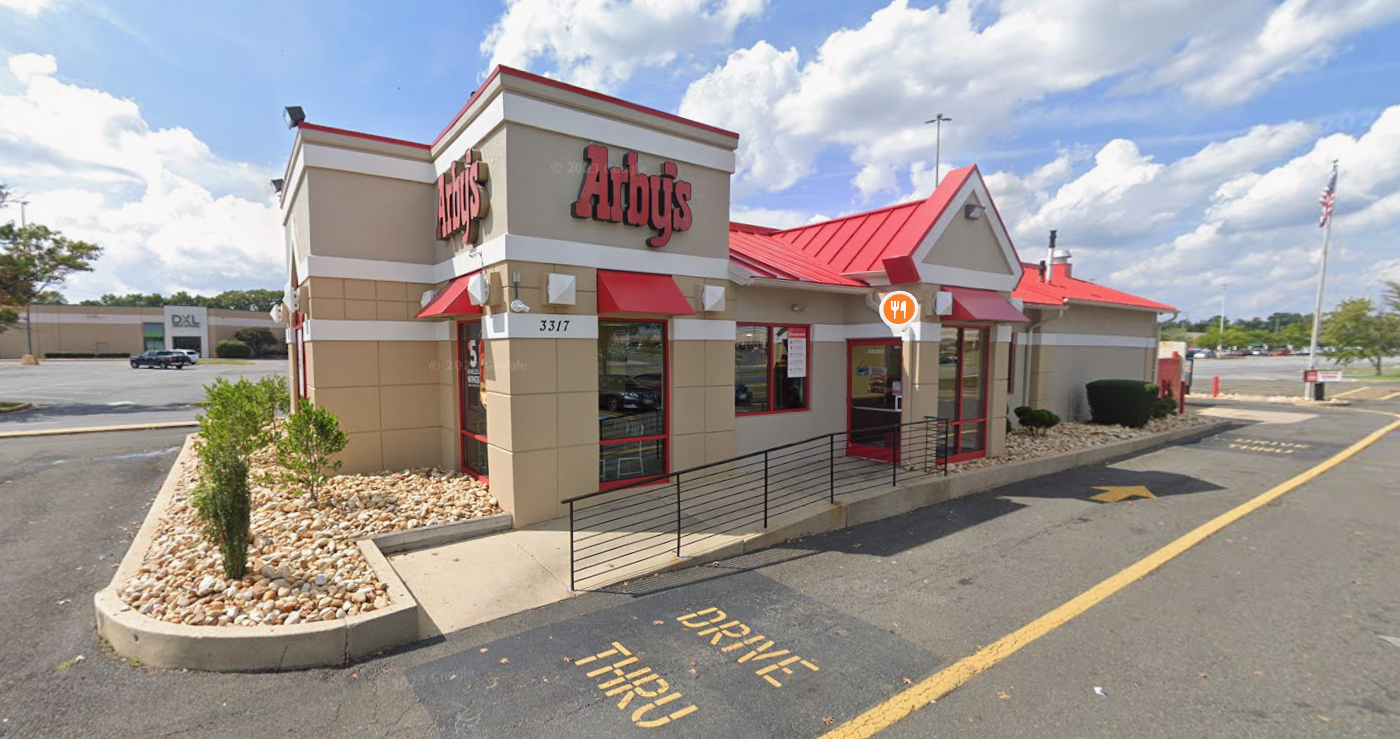
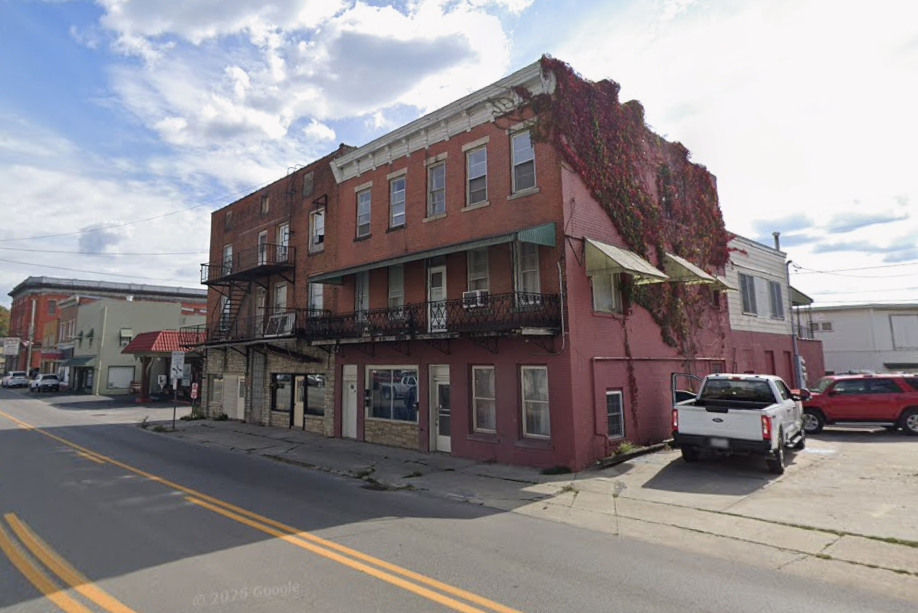
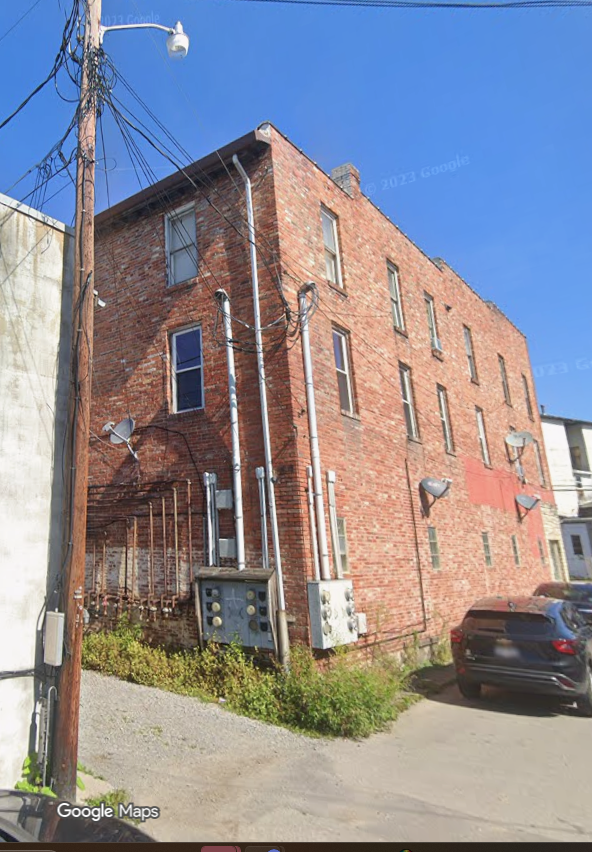
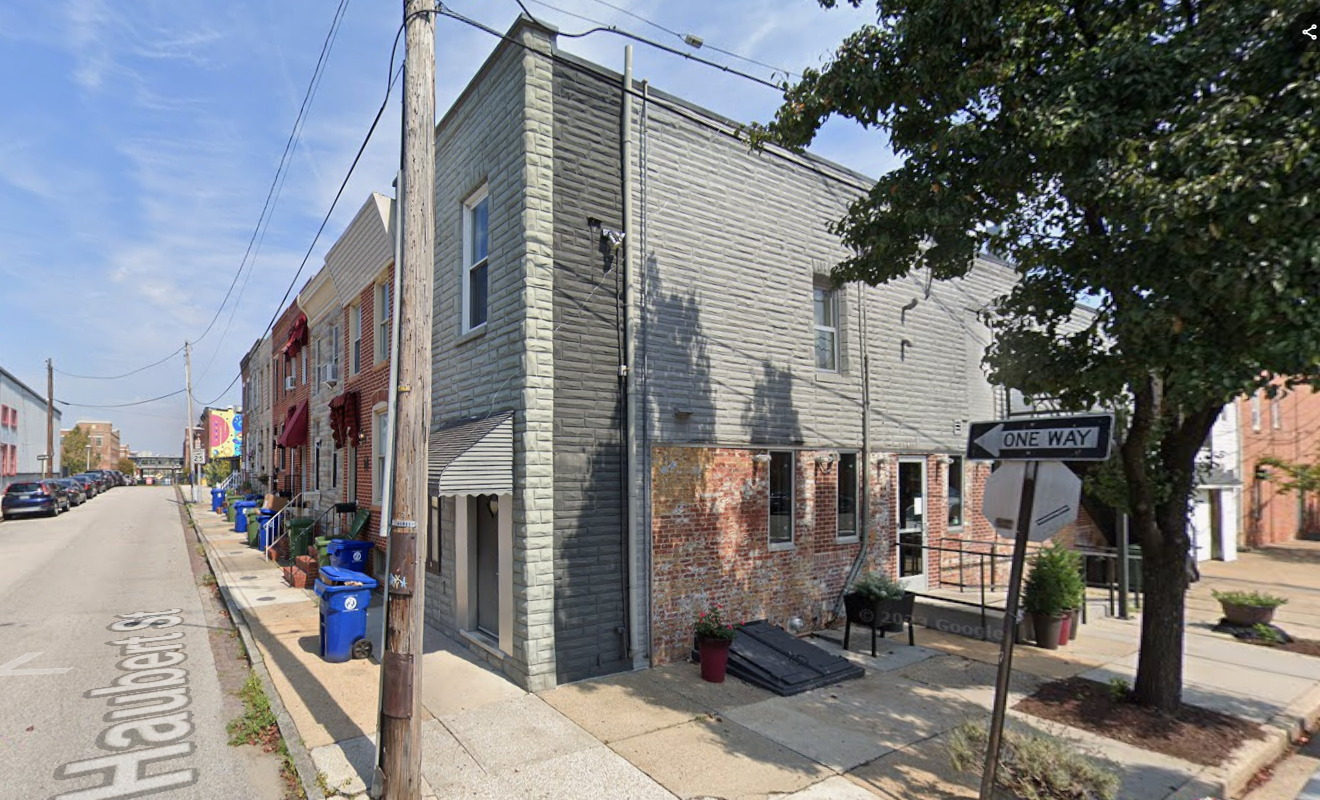
Whether you are acquiring a standalone quick-service building, a full-service restaurant property, or a multi-tenant retail center anchored by food service, Webb Property Inspections delivers a documented evaluation of the building’s condition so your acquisition decision is based on what the property actually is, not what it looks like.
What We Cover:
- Structural systems and building envelope
- Roofing and drainage
- Electrical service, panels, and equipment circuits
- Plumbing, drain systems, and grease trap access points
- Kitchen exhaust and hood systems (visual assessment)
- HVAC and make-up air systems
- Restroom facilities
- Walk-in cooler and freezer structures (visual assessment)
- Dining areas, bars, and interior finishes
- Drive-through canopy and infrastructure (where present)
- Parking lot and exterior site conditions
How it Works:
Schedule Online or by Phone
Book in minutes through our online scheduler or by calling 888-226-1122. Provide property details and operational status and we will confirm inspector availability and scope.
On-Site Inspection
A certified commercial inspector evaluates all accessible building systems, kitchen infrastructure, and site conditions systematically.
Receive Your Report
Your report is delivered within 24 hours with findings organized by system and area, supported by photographs throughout.
Make an Informed Decision
Use the findings to negotiate, plan your capital investment, satisfy lender requirements, or set up a maintenance program for the property.
Our Inspection Services for Restaurant Properties
Pre-Purchase Inspections
A full building evaluation before closing. Covers the building envelope, all major systems, kitchen infrastructure, and site conditions. Ideal for buyers acquiring a restaurant building, whether occupied or vacant.
Pre-Listing Inspections
Sellers who document building condition before going to market avoid renegotiation surprises and demonstrate transparency to qualified buyers.
Dark Restaurant Inspection
Vacant or closed restaurant properties often carry hidden maintenance issues that developed during the prior operation. Our inspections of dark restaurant buildings identify conditions that need attention before a new operator takes possession.
Conversion Assessment
Buyers planning to convert a former restaurant to another use, or a general retail space to restaurant use, benefit from an inspection that documents existing systems and identifies what will need to be upgraded or removed.
Frequently Asked Questions
Can you inspect a restaurant that is currently operating?
Yes. We coordinate the inspection schedule with operations to minimize disruption to service. Building system inspections can often be conducted during pre-opening hours, between meal periods, or on days the restaurant is closed.
Does your inspection cover commercial kitchen equipment?
Our inspection covers the building and its fixed systems: structure, roofing, electrical, plumbing, and HVAC. Commercial kitchen equipment (ranges, fryers, dishwashers, refrigeration units) is personal property and outside the scope of a commercial building inspection. Equipment condition should be evaluated separately by a qualified technician.
What additional specialists should I consider alongside your inspection?
For restaurant acquisitions, we typically recommend supplementing our building inspection with a grease trap and drain cleaning assessment, a commercial hood and exhaust cleaning and inspection by a certified specialist, and a review of refrigeration systems if walk-in equipment is included in the transaction.
How long does a restaurant building inspection take?
A typical quick-service restaurant building inspection takes two to four hours. A larger full-service or high-volume restaurant may take four to six hours. We will confirm a time estimate when you schedule.
What We Evaluate
Structural and Building Envelope
Foundation, exterior walls, windows, and waterproofing are assessed for deterioration and signs of moisture intrusion. Restaurant buildings with flat roofs and heavy rooftop equipment are particularly susceptible to envelope issues.
Roofing
Restaurant rooftops carry exhaust vents, make-up air units, rooftop HVAC equipment, and multiple penetrations that create opportunities for leaks. We evaluate roof membrane or surface condition, flashings around all penetrations, and overall drainage adequacy.
Electrical Systems
Restaurant buildings require substantial electrical capacity for cooking equipment, refrigeration, lighting, and POS systems. We inspect the main service, distribution panels, and visible branch circuits, noting capacity and condition concerns.
Plumbing and Grease Systems
Kitchen plumbing, restroom systems, floor drain conditions, and visible grease trap access points are inspected. Grease-laden drain systems in older restaurant buildings frequently require attention and cleaning at minimum.
Kitchen Exhaust and Hood Systems
We conduct a visual assessment of commercial hood systems, exhaust ductwork, and make-up air connections visible from accessible areas. Grease accumulation in exhaust systems is a common fire safety concern that should be addressed before any new operator takes over.
HVAC and Ventilation
Restaurant environments require robust make-up air and conditioned air to compensate for the exhaust ventilation demands of commercial kitchens. We assess HVAC equipment, make-up air units, and the overall mechanical conditioning system throughout the building.
Walk-In Coolers and Freezers
Where walk-in refrigeration structures are present, we assess the structural condition of the walls, floor, and ceiling panels, door seals, and the visible condition of the space. Refrigeration system components require specialist evaluation and are outside the scope of our building inspection.
Dining Room and Interior Finishes
Dining areas, bar structures, flooring, walls, ceilings, and restrooms are assessed for condition and visible maintenance needs that would require investment by a new owner or operator.
Drive-Through Infrastructure
When the property includes a drive-through lane, canopy, window infrastructure, and associated site improvements, these are included in the inspection.
Who We Work With
Investors and Buyers
Mobile home parks and RV parks are among the most acquisition-active asset classes in commercial real estate. Our inspections give buyers the data they need to underwrite accurately and negotiate effectively.
Owner-Operators
Whether you manage a small park personally or operate a portfolio of communities, our inspections help you stay ahead of capital expenditures and maintain safe, well-functioning properties.
Real Estate Agents and Brokers
Facilitate smoother transactions for your clients with a professional inspection that addresses the unique complexity of park properties.
Lenders and Investors
Confirm the physical condition of a park asset before funding. Our reports are detailed, photographed, and organized for easy review by lenders and investment committees.