Gas Station Inspections that Go Beyond the Surface
Fuel retail properties come with unique infrastructure, environmental considerations, and mechanical systems. Webb Property Inspections evaluates the full picture so your acquisition decision is based on facts.
Fuel Retail Properties Carry Risks that Standard Walkthroughs Miss
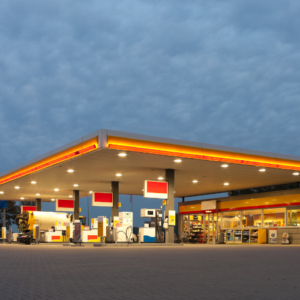
A gas station is far more than a convenience store with pumps out front. The canopy structure, fuel dispensing equipment, underground systems, electrical infrastructure, and site conditions all require careful evaluation. Deferred maintenance on any one of these systems can translate into costly repairs, regulatory issues, or operational shutdowns after the sale closes.
Webb Property Inspections brings a thorough, documented approach to gas station and fuel retail inspections. Our certified inspectors assess all visible and accessible systems so buyers, sellers, and investors have a reliable account of the property’s physical condition.
What We Cover:
- Canopy structure and condition
- Fuel dispenser and pump island conditions
- Electrical service, panels, and exterior wiring
- Convenience store building systems
- Plumbing and restroom facilities
- HVAC and mechanical systems
- Parking lot, lot grading, and drainage
- Signage structures and lighting
- Car wash equipment and structures (where applicable)
Our Inspection Services for Gas Stations
Pre-Purchase Inspections
A thorough evaluation of all accessible building systems and site infrastructure before you close. Ideal for buyers acquiring an operating station or a property being repositioned.
Pre-Listing Inspections
Sellers who document their property's condition before listing avoid surprises during buyer due diligence and demonstrate transparency to prospective buyers.
Convenience Store and Canopy Inspections
Focused inspections of the retail building and fuel canopy for buyers or owners concerned specifically with structural and building systems.
Multi-Site Portfolio Inspections
Operators acquiring multiple fuel retail locations can coordinate inspections across all sites. We work with your timeline to deliver consistent, comparable reports across the portfolio.
What We Evaluate
Canopy Structure
The fuel canopy is one of the most capital-intensive elements of a gas station. We inspect the canopy for structural integrity, column conditions, roof surface, lighting fixtures, and visible signs of corrosion or damage.
Building Systems
The convenience store or attached retail structure is inspected from foundation to roof, covering structural components, exterior cladding, windows, doors, roofing, electrical, plumbing, and HVAC.
Electrical Infrastructure
Gas stations operate high-demand electrical systems including pump controllers, outdoor lighting, canopy fixtures, signage, and interior retail equipment. We evaluate service capacity, panel condition, and visible wiring for safety and adequacy.
Fuel Dispensing Equipment
While we do not perform underground storage tank (UST) testing, we visually inspect the dispensers, pump islands, and visible above-ground fuel system components for condition and obvious concerns.
Plumbing and Restrooms
Interior plumbing, restroom facilities, and visible drainage systems are inspected for condition, water pressure, and proper function.
Parking Lot and Site
Pavement condition, lot striping, site grading, drainage patterns, and perimeter conditions are evaluated for safety, accessibility, and maintenance status.
Car Wash (Where Present)
When the property includes an automatic or self-serve car wash, we inspect the structure, visible mechanical components, drainage, and building envelope.
Who We Work With
Fuel Retail Buyers and Investors
Acquiring a gas station is a significant transaction. Our inspections give buyers and investors the documented evidence they need to understand capital needs and negotiate effectively.
Operators and Owner-Operators
Running a fuel retail location means keeping systems in good repair. Our inspections help operators identify maintenance priorities before they become operational emergencies.
Real Estate Agents and Brokers
Commercial agents facilitating gas station transactions rely on our reports to keep deals moving and protect their clients on both sides of the transaction.
Lenders and Financing Partners
Confirm the physical condition of a fuel retail asset before underwriting. Our reports are photo-documented and organized for straightforward lender review.
Frequently Asked Questions
Does your inspection cover underground storage tanks (USTs)?
Our inspection covers visible and accessible systems on the property. Underground storage tank testing, phase environmental assessments, and UST compliance evaluations are specialized services that fall outside the scope of a standard commercial property inspection. We recommend engaging a qualified environmental consultant for UST-specific concerns.
Can you inspect a gas station that is currently operating?
Yes. We work around the operational schedule of active fuel retail locations. We coordinate access with ownership or management to minimize disruption during the inspection.
How long does a gas station inspection take?
Most single-location gas station inspections take three to five hours depending on the size of the retail building and the presence of additional amenities like a car wash. We will give you a more specific estimate at the time of scheduling.
Do you inspect gas stations in every state?
Yes. We have certified inspectors covering fuel retail properties nationwide. Call or schedule online to confirm availability in your market.
How it Works:
Schedule Online or by Phone
Book through our online scheduler or call 888-226-1122. Provide basic property details and we'll confirm inspector availability.
On-Site Inspection
A certified commercial inspector evaluates all accessible building systems, site conditions, and fuel-specific infrastructure at the property.
Receive Your Report
Your detailed report arrives within 24 hours with findings organized by system, supporting photographs, and inspector recommendations.
Act With Confidence
Use the report to inform negotiations, budget for capital improvements, or satisfy lender requirements before closing.