Your Congregation's Building Deserves the Same Care You Give Your Community
Churches and religious facilities are unique structures with unique systems. Webb Property Inspections evaluates every component so your leadership can make informed decisions about the building that serves your people.
Church Buildings Are Often Aging Assets with Deferred Maintenance that Goes Unnoticed for Years
Religious congregations are mission-focused organizations. Building maintenance is rarely anyone’s primary calling, and issues with roofing, HVAC, electrical systems, or structural components can quietly accumulate over years of deferred attention. Whether your congregation is buying a new facility, planning a capital campaign, or simply trying to understand the condition of the building you occupy, a professional inspection gives leadership the information they need to steward their resources wisely.
Webb Property Inspections brings the same thorough, certified approach to churches and religious facilities that we apply to every commercial property. Our inspectors evaluate the full building, from the sanctuary roof to the fellowship hall kitchen, so your board, deacons, or trustees have a clear and honest account of what the building requires.
What We Cover:
- Structural systems and foundation
- Roofing and drainage (including steeples and towers)
- Electrical service and systems throughout
- Plumbing and restroom facilities
- HVAC and heating systems
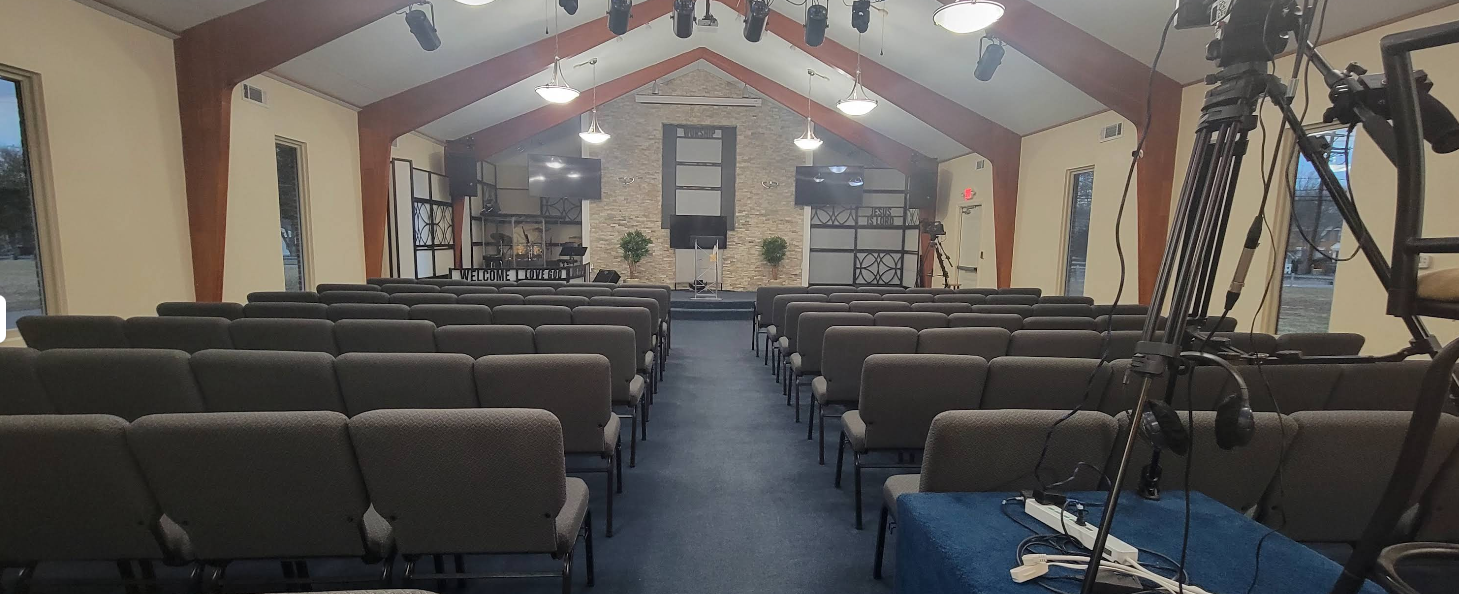
- Sanctuary, fellowship halls, and classrooms
- Administrative office areas
- Commercial kitchen facilities (where present)
- Accessibility and ADA conditions
- Parking lots and exterior site conditions
Our Inspection Services for Churches and Religious Facilities
Pre-Purchase Inspections
A full building evaluation before a congregation acquires a new facility. Covers all major systems and gives church leadership the documentation they need to make a responsible purchasing decision.
Pre-Listing Inspections
Congregations selling their facility benefit from an inspection that documents building condition before the property goes to market, reducing delays and surprises during buyer due diligence.
Capital Planning Inspections
Established congregations use our inspections to understand the condition of their current facility before launching a capital campaign or applying for a building loan. Knowing what the building needs helps leadership plan and communicate accurately with their congregation.
Pre-Renovation Assessments
Before beginning a renovation or addition project, an inspection of the existing structure helps contractors and architects understand what they are working with and identifies any conditions that could affect the new construction.
What We Evaluate
Structural Systems
Foundations, load-bearing walls, and structural framing are assessed for settlement, movement, and deterioration. Many church buildings are older structures where deferred structural maintenance can be significant.
Roofing and Steeples
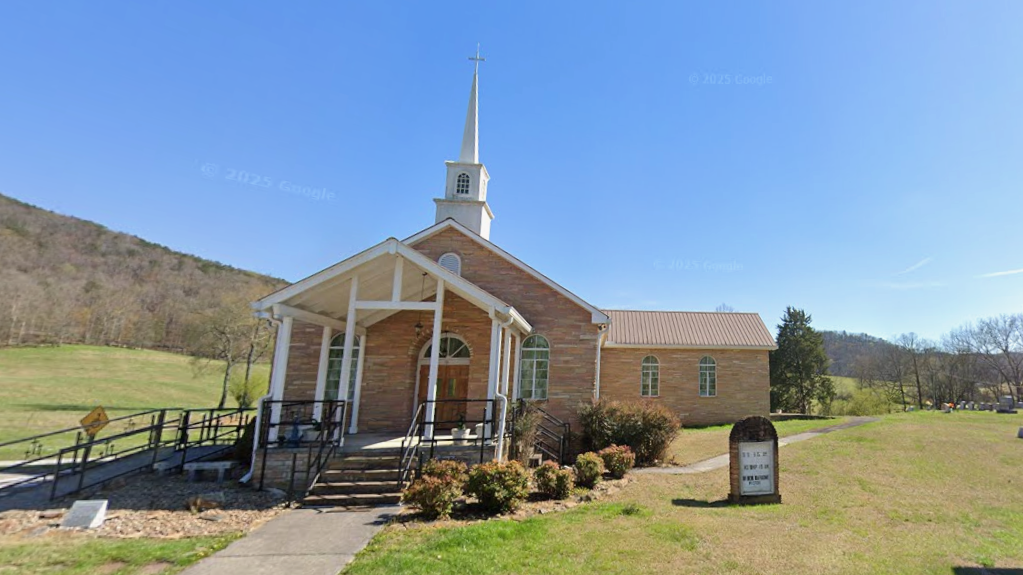
Church roofs often include multiple levels, dormers, steeples, towers, and unique architectural elements that require specialized attention. We evaluate membrane or shingle condition, flashing, drainage, and all accessible elevated structures.
Electrical Systems
We inspect the main service, distribution panels, wiring, outlet conditions, and exterior lighting throughout the facility. Older church buildings frequently have outdated electrical systems that warrant attention.
Plumbing and Restrooms
Congregational facilities place high demand on restrooms during services and events. We inspect supply lines, drain systems, water heaters, and all restroom fixtures for condition and function.
HVAC and Heating Systems
Large open sanctuary spaces present unique heating and cooling challenges. We assess central systems, zone controls, visible ductwork, and auxiliary heating equipment throughout the facility.
Fellowship Halls and Classrooms
Multi-use spaces used for community events, education, and programming are inspected for building system conditions, finish quality, and visible maintenance needs.
Commercial Kitchen (Where Present)
When the facility includes a commercial kitchen, we inspect the building systems within the space including electrical, plumbing, ventilation, and structural conditions.
Accessibility
We document visible accessibility conditions including ramps, door clearances, restroom grab bars, parking access, and pathway conditions relevant to welcoming members of all abilities.
How it Works:
Schedule Online or by Phone
Book in minutes through our online scheduler or by calling 888-226-1122. Provide details about the facility and we will confirm scope and availability.
On-Site Inspection
A certified commercial inspector evaluates all accessible building systems, interior spaces, and exterior conditions across the full facility.
Receive Your Report
Your detailed, photo-documented report is delivered within 24 hours, organized by system and area for easy review by leadership and advisors.
Make Responsible Decisions
Use the report to guide purchasing decisions, plan capital campaigns, inform renovation planning, or document condition for a sale.
Who We Work With
Church Boards and Trustees
Governing boards responsible for their congregation's real estate use our inspections to make informed decisions about acquisitions, capital improvements, and stewardship of building resources.
Denominational Organizations
Denominational bodies overseeing multiple congregations and properties use our inspections to maintain consistent standards across their portfolio of facilities.
Religious Organizations Buying Property
Congregations purchasing their first building or relocating to a new facility rely on our pre-purchase inspections to avoid costly surprises after closing.
Real Estate Agents and Brokers
Agents representing religious properties on either side of a transaction use our reports to support well-documented, professionally managed closings.
Frequently Asked Questions
Do you inspect historic or older church buildings?
Yes. Many church facilities are housed in older or historic buildings with unique construction methods and materials. Our inspectors approach these properties with attention to the specific characteristics of older construction while delivering findings that are useful for modern planning and budgeting.
Can you work around our service schedule?
Absolutely. We coordinate inspection timing with the congregation’s calendar to avoid conflicts with services, events, and regular programming. Weekday inspections during off-hours are often the most practical option.
We are considering a capital campaign. Can your inspection help us plan?
Yes. Many congregations commission an inspection specifically to inform their capital campaign planning. Our findings give leadership a documented list of building needs that can be presented to the congregation with credibility and used to build a realistic campaign goal.